


If It’s Not safe, It’s Not Food: Four Reasons Food Safety is Everyone’s Business on World Food Safety Day
Many people think about food safety while they prepare dinner. What most don’t know is that it’s a global threat for billions of people, with serious implications for the environment and long-term food security.
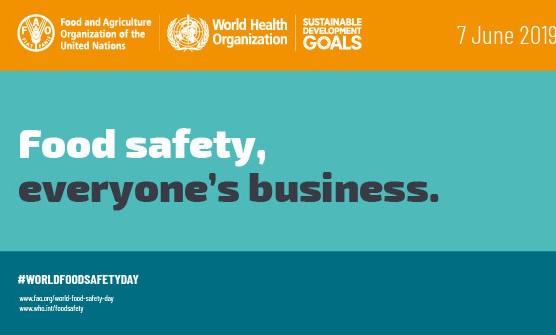
At Mars we believe that if it’s not safe, it’s not food. We also believe that food safety is pre-competitive. Simply put, without safe food, nobody wins. Industry has a crucial role to play in helping all stakeholders in the global food supply chain identify food safety risks and find solutions, but no single entity can do this alone. We’ve been calling for collaboration in food safety for some time and I’m very excited that today, on 7 June 2019 we’ll see the first ever annual World Food Safety Day (WFSD) take place – an annual date dedicated to food safety.
I’ve have worked in food safety for more than 30 years and I’m happy with what is a great step in the right direction. I’m also keen to ensure the food safety effort isn’t just for one day but sustained all year round!
So what’s the deal with food safety?
Everyone has the right to sufficient, safe, nutritious food. But, did you know?
- Despite all we know about food safety, 1 in 10 people in the world today fall ill after eating contaminated food.
- Food safety hazards and risks are increasing and new threats are constantly evolving through changes in the nature of our supply chains, the external environment, human activity and biological adaptation.
- Food safety problems persist in both developing and developed countries. More than 200 diseases are spread through unsafe food and water; almost one in ten people suffer from eating unsafe food—600 million fall ill and 420,000 die, including 125,000 children under 5; and 4.5 billion people a year are exposed to mycotoxins, including aflatoxins, which contaminate 25% of the world’s food supply.
- There is also increasing evidence to suggest that childhood exposure to aflatoxin is a factor in stunting in children
Why food safety is everyone’s business
No single entity can address these challenges but together we can work towards sustainable solutions.
Businesses have the expertise, the tools and capabilities to raise the bar on food safety and optimize the effectiveness of food safety efforts globally. By working collaboratively with other stakeholders in the global food supply – NGOs, regulators, academia and others from industry in an integrated, multi-dimensional way - we can play a helpful role in the mitigation and prevention of food safety challenges.
What is Mars doing and how can I get involved?
At Mars, we know that our responsibility doesn’t start and end within our business.
We are committed to doing all we can to help tackle the food safety challenges facing us all and to improve the global food supply chain. At the Mars Global Food Safety Center we’re working to generate new scientific and technical insights, share knowledge and encourage greater collaboration to help ensure safe food for all. I’m proud of our work at the center and with more than 25 partner organizations and academic institutions to generate and exchange new insights, but there is always more to do.
It’s about sharing knowledge, exchanging insights and collaborating all year-round.
On the first ever annual World Food Safety Day, raising awareness of the food safety challenges impacting the global food supply chain is an important first step. To find out more about WFSD and what Mars and partners visit us at Mars.com.
This blog originally appeared on LinkedIn, you can read more from Dave Crean here.


Recommended Reads
Learn about the latest trends and constant changes happening in the food safety industry today.


